View from the hotel beach, looking back towards Fethiye with the western Taurus Mountains behind and the Mediterranean Sea in the foreground.
Some images from a week spent near the city of Fethiye, in south-west Turkey. It was a family holiday not a birding trip but, as always, I made the surroundings of the hotel my local patch for the week, and mostly birded between about 6am and breakfast time. Lu and the kids were usually still asleep when I got back. The hotel (Barut Sensitori) was lovely, but the immediate surroundings were far less salubrious - lots of building going on and litter-strewn waste ground, criss-crossed by ditches and canals that made for an excellent habitat for incoming migrants, that included the likes of Wood Warblers, Lesser Whitethroats, Whinchats, Whitethroats, Blackcaps, Pied and Spotted Flycatchers.
We used taxis and buses to explore the local towns and I hired a car for one day, so we could get a better appreciation of the area we were staying in. A drive up into the surrounding mountains was stunning, and we visited the spectacular Saklikent Gorge. I saw about 100 species in the week but with some proper focused effort, reckon I could have seen many more. It's a fabulous birding destination but I'm sure it's a shadow of its former self, bird-wise, as marshes have been extensively drained for building and development.
Syrian Woodpecker. This female (lacking red on nape) was one of only two that I saw during the week. Though pretty similar to Great Spot, Syrian lacks the black line that joins the black on the side of the neck with the black nape stripe. Additionally the softer 'chook' call and paler red vent help to distinguish it from Great Spotted Woodpecker (which helpfully appears to be absent from the region).
After the first morning I stopped counting Crested Larks - they were everywhere. Their melodic call was constantly audible around the hotel grounds and surroundings.
Male Citrine Wagtail - picked up on call - a strong, rasping 'zrrreet'.
Sand Martin. Good numbers of hirundines were seen during the week. Not used to that here in Exmouth.
Drake Garganey.
Several Woodchat Shrikes were found on my morning rounds.
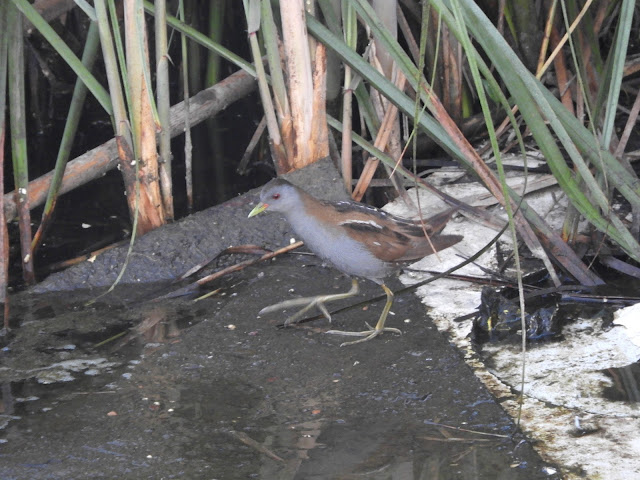
Male Little Crake.
I photographed a fair few wild flowers but was ill-equipped to identify them. Many thanks to Neil for all the subsequent identifications - hugely appreciated as always. Above is Blue Pimpernel (top) with a Campanula sp.
Broomrape species. An absolutely stunning flower.
A silvery Paronychia sp.
Some sort of Iris - possibly Iris sintenisii.
Possibly a Bugloss of sorts (?).
Reversed Clover (T. resupinatum).
Wooly Clover (T. tomentosum).
Venus' Looking-glass species.
Tufted or possibly Fodder Vetch?
Star-of-Bethlehem.
So frustrated to capture just the underparts of this Eastern Bonelli's Warbler - one of two located in treetops by their quiet 'chip' call. Pleasantly distinctive. I heard a singing bird on our day out in the mountains. Wood Warbler was far more common but none of the seven birds I found uttered a sound.
I never worked out what this area of freshwater was called but it was situated about a mile away from the hotel, towards Calis Beach, and I visited it most days. Always good numbers of Wood Sandpipers and a few Ruff here, with other goodies such as Garganey, Nightingale, Alpine Swift, Citrine Wagtail, Great Reed Warbler, Great Spotted Cuckoo, Little Owl, Black-headed Wagtail, Squacco and Purple Herons.
Wood Sandpiper.
Squacco Heron - a first-summer bird.
Ruff.
Black-headed Wagtail.
Note the role that light plays in the blackness of the head.
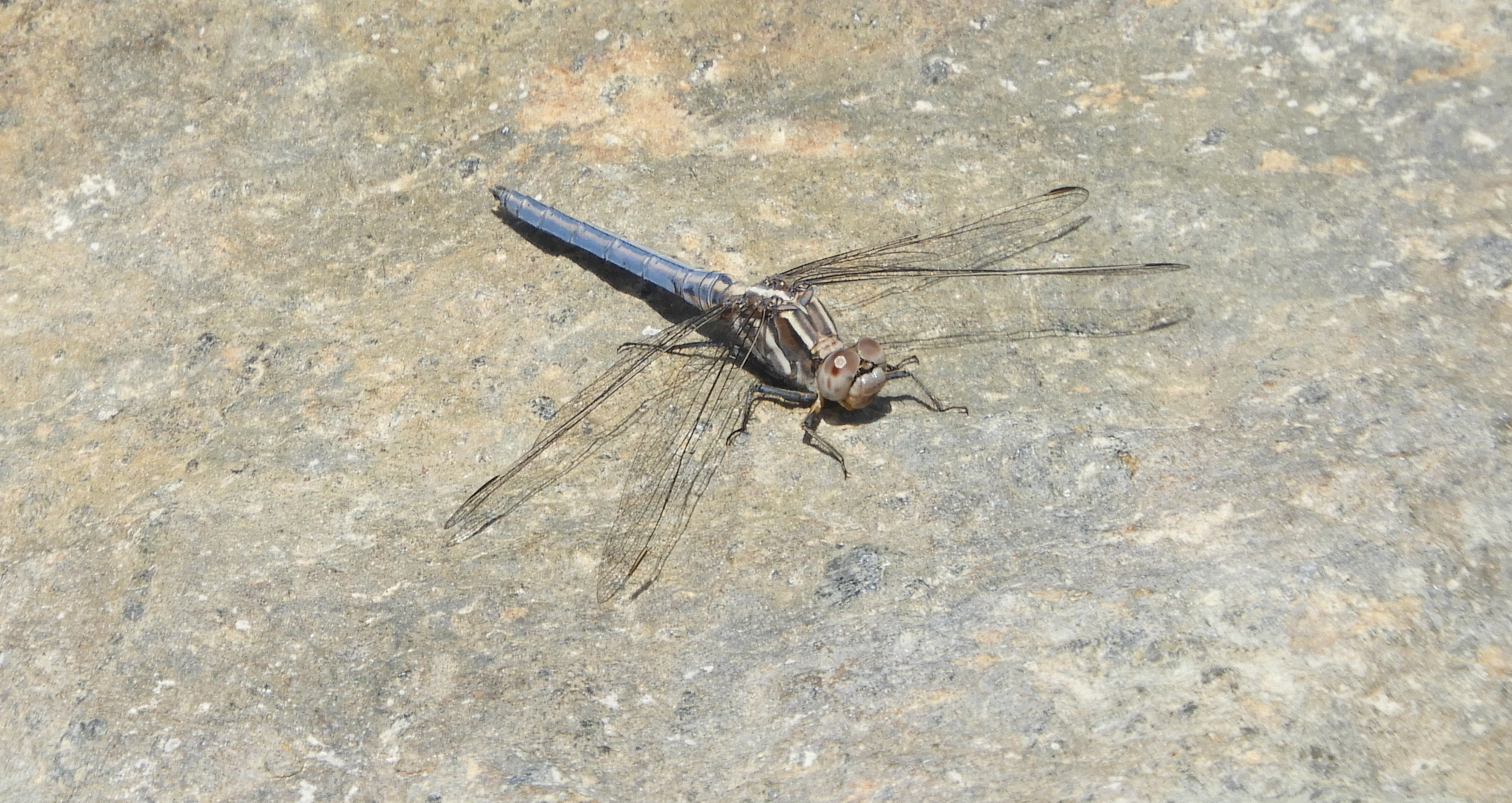
Scarce Chaser. It was probably too cool for insects, and a bit too early. I saw very few butterflies and dragonflies, and the only moths were a tatty Hummingbird Hawkmoth and a Crimson Speckled.
Male Common Winter Damselfly (Sympecma fusca). A huge thank you to Dave Smallshire for the identification of this one and the one below (both new for me). It's very much appreciated!
A maturing Small Skimmer (Orthetrum taeniolatum).
White-legged Damselfly.
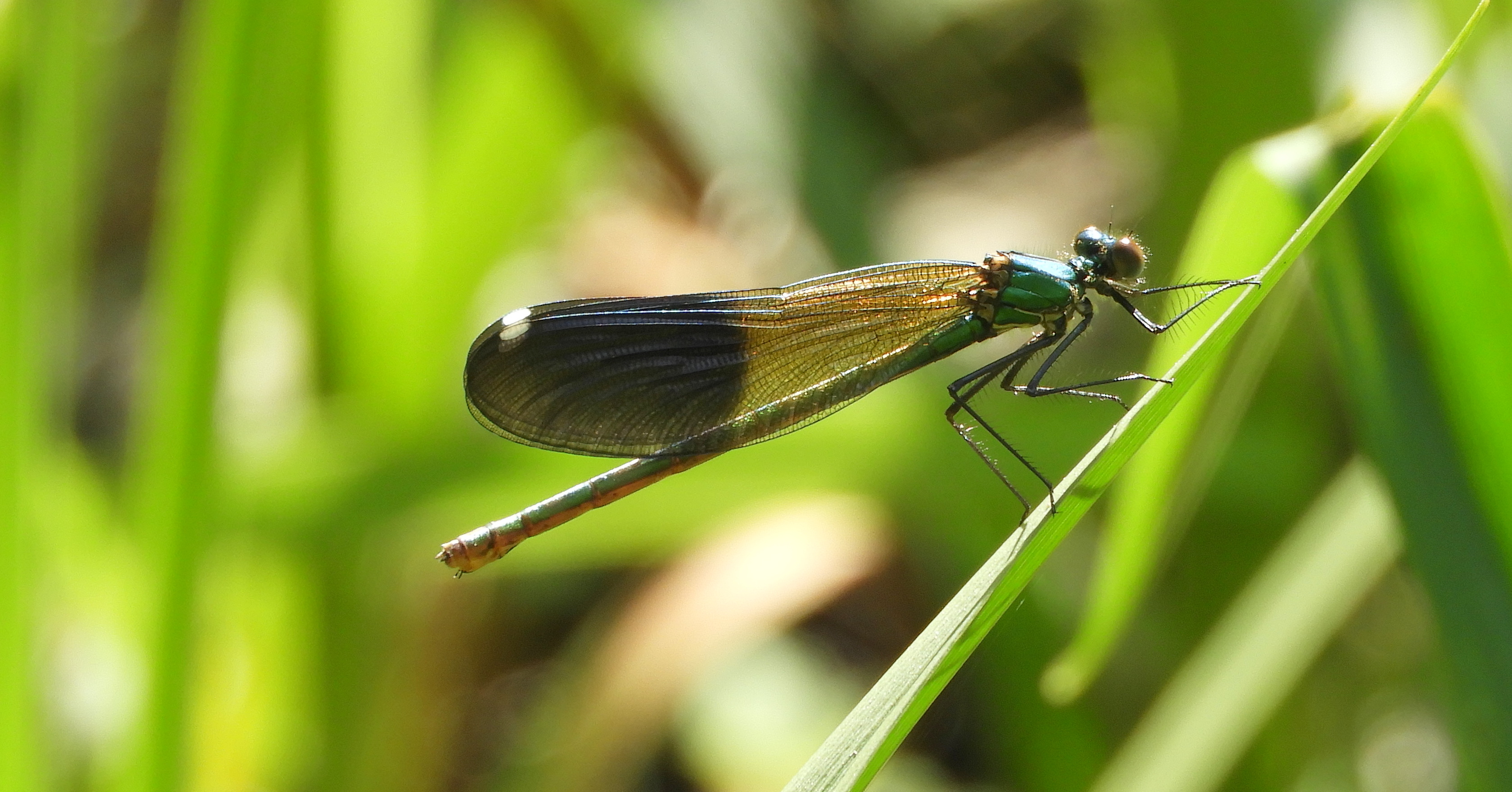
Female Banded Demoiselle with male-like wing bands.
Crimson Speckled.
Not sure what this locust species is but the one below looks very familiar and is, I believe, Egyptian Locust.
Hoopoe.
I found several singing Eastern Olivaceous Warblers on my morning rounds. The song is remarkably similar to Reed warbler in many respects, but more 'flowing', less stuttering, and sometimes with more melodic notes.
Spanish Sparrows. I absolutely love these. Whilst watching this flock I noticed a couple massive sparrow flocks, numbering hundreds of individuals, arriving 'in-off' the sea. I assume they were this species.
Short-toed Lark. My largest flock of these numbered 10 individuals.
Little Ringed Plover.
Alpine Swift. A big flock of c100 individuals was feeding low, over Calis Beach on the 17/4. This was one of two, nearer the hotel on 22/4.
Grey-headed Wagtail appeared to be the most common Yellow Wag sp. I saw just the one Black-headed and a couple apparent Blue-headed or possibly 'beema'.
Male 'beema'?
This was my one and only Long-legged Buzzard. I was expecting more. In fact the overall lack of raptors was hugely surprising. In the week I logged just 1 Kestrel, 1 Sparrowhawk, 1 Peregrine and 2 Short-toed Eagles.
This male Little Bittern was a regular feature in a ditch, close to the hotel.
Great Spotted Cuckoo. Enjoyed hearing these singing.
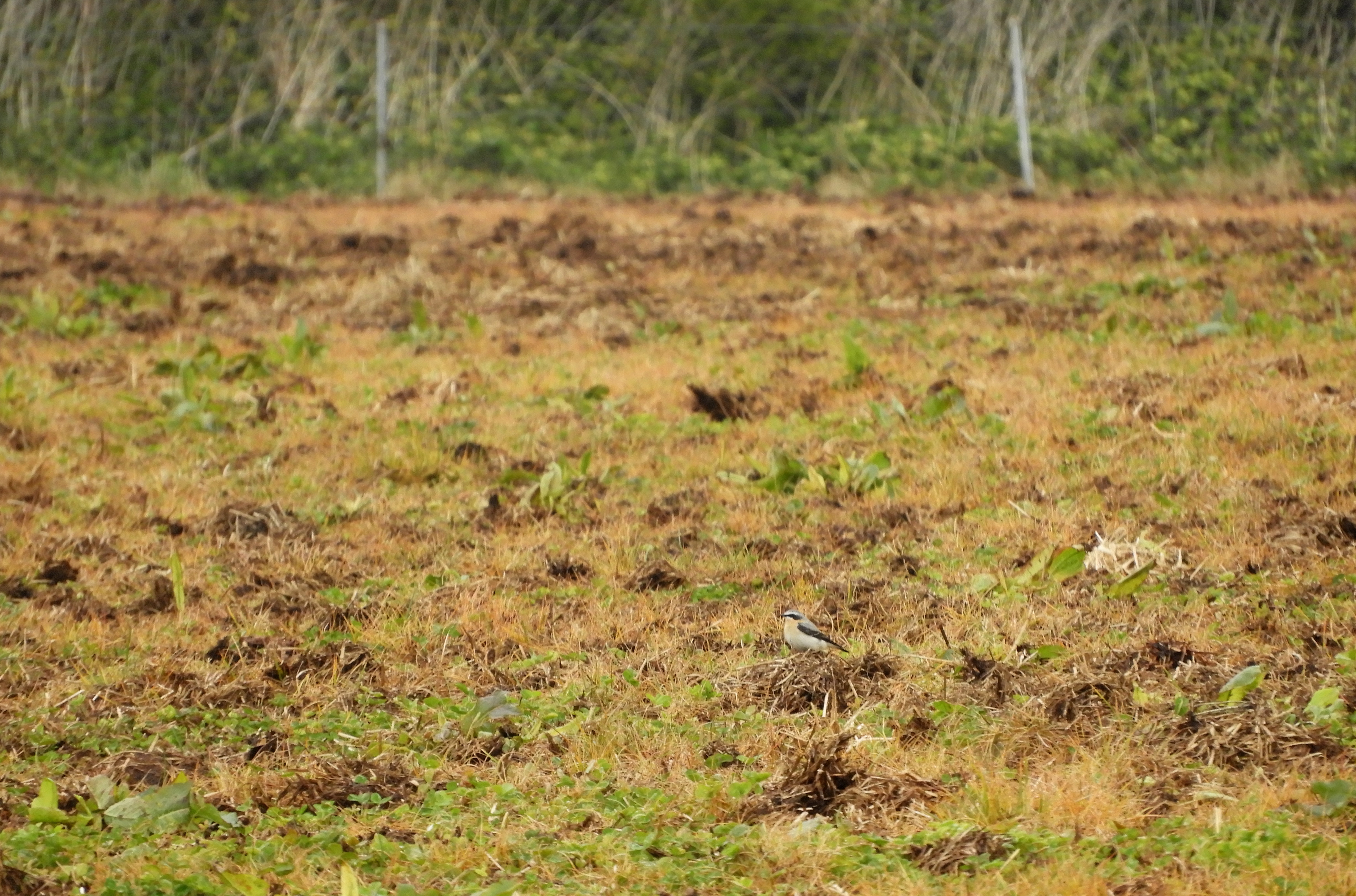
Male Eastern Black-eared Wheatear.
Male Ortolan Bunting.
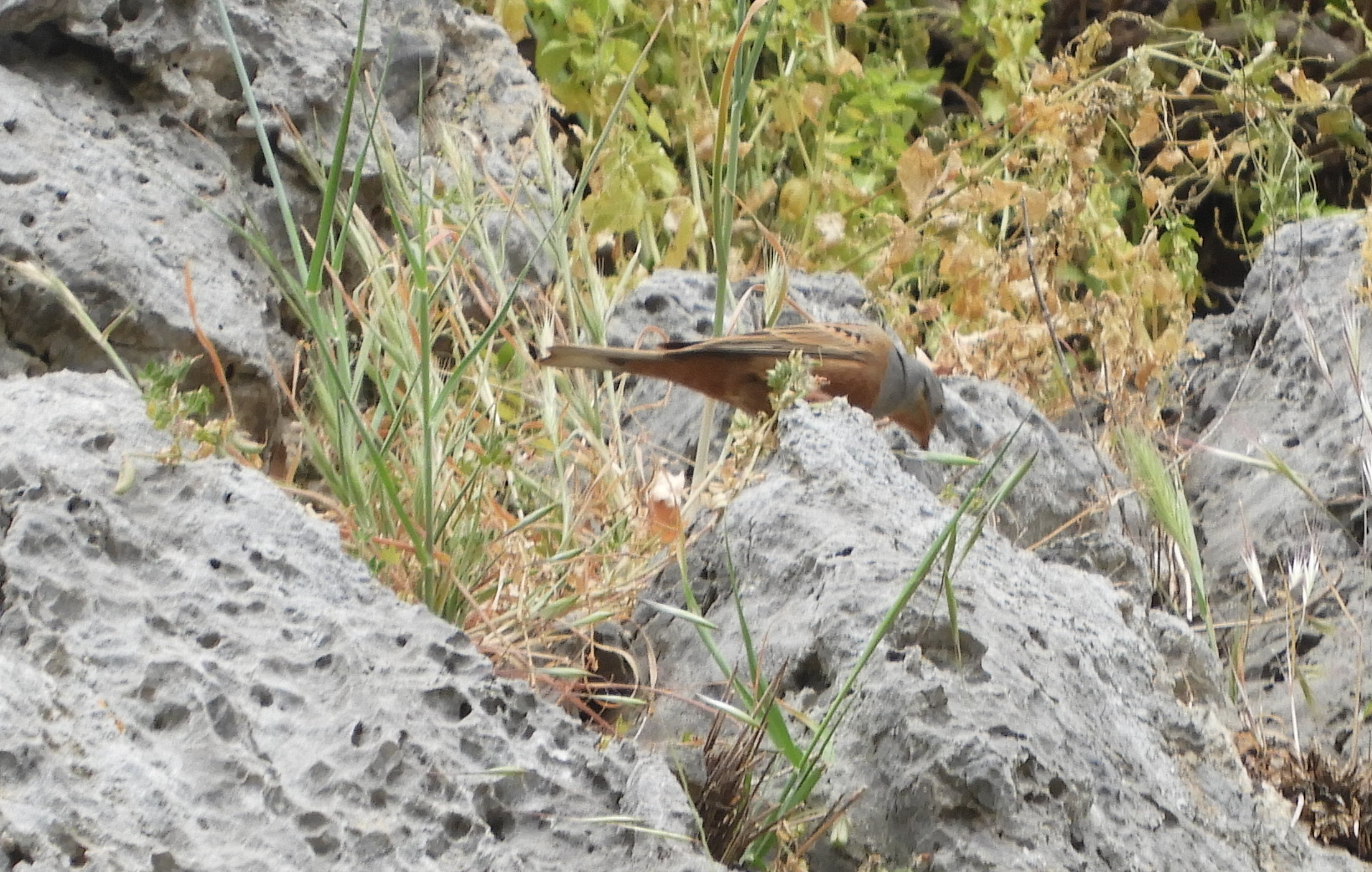
I struggled to photograph this male Cretzschmar's Bunting as it crept around a steep rock face on the outskirts of Fethiye.
Starred Agama.
Spur-thighed Tortoise.
Balkan Terrapin.
Levant Water Frog.
Migrating Night Herons. This flock of thirteen contained 12 adults and a first-summer.
Migrating Glossy Ibises - a total of 200+ was logged on the 17/4.
Male Blue Rock Thrush.
Purple Heron.
Red-rumped Swallow.
Local patch. I spent many hours wandering around waste ground surrounding the hotel. Lots of good birds seen including Eastern Black-eared Wheatear, Short-toed Lark, Tawny Pipit, Red-throated Pipit, Great Reed Warbler, Bee-eater, Hoopoe, Savi's Warbler and Collared Pratincole.
Red-throated Pipit.
This Collared Pratincole was present, not far from the hotel, on the last three days of our stay.
Male Masked Shrike.
Biggest surprise of the holiday (apart from the dearth of raptors) was this male Trumpeter Finch that turned up on the hotel beach, off the back of a warm south-westerly. It was keeping close company with two Tawny Pipits.
Tawny Pipit.
This sylvia warbler hopped out of some bramble in front of me, and proceeded to feed on the beach - a female Rüppell’s Warbler. A male was seen briefly when we drove up into the mountains.
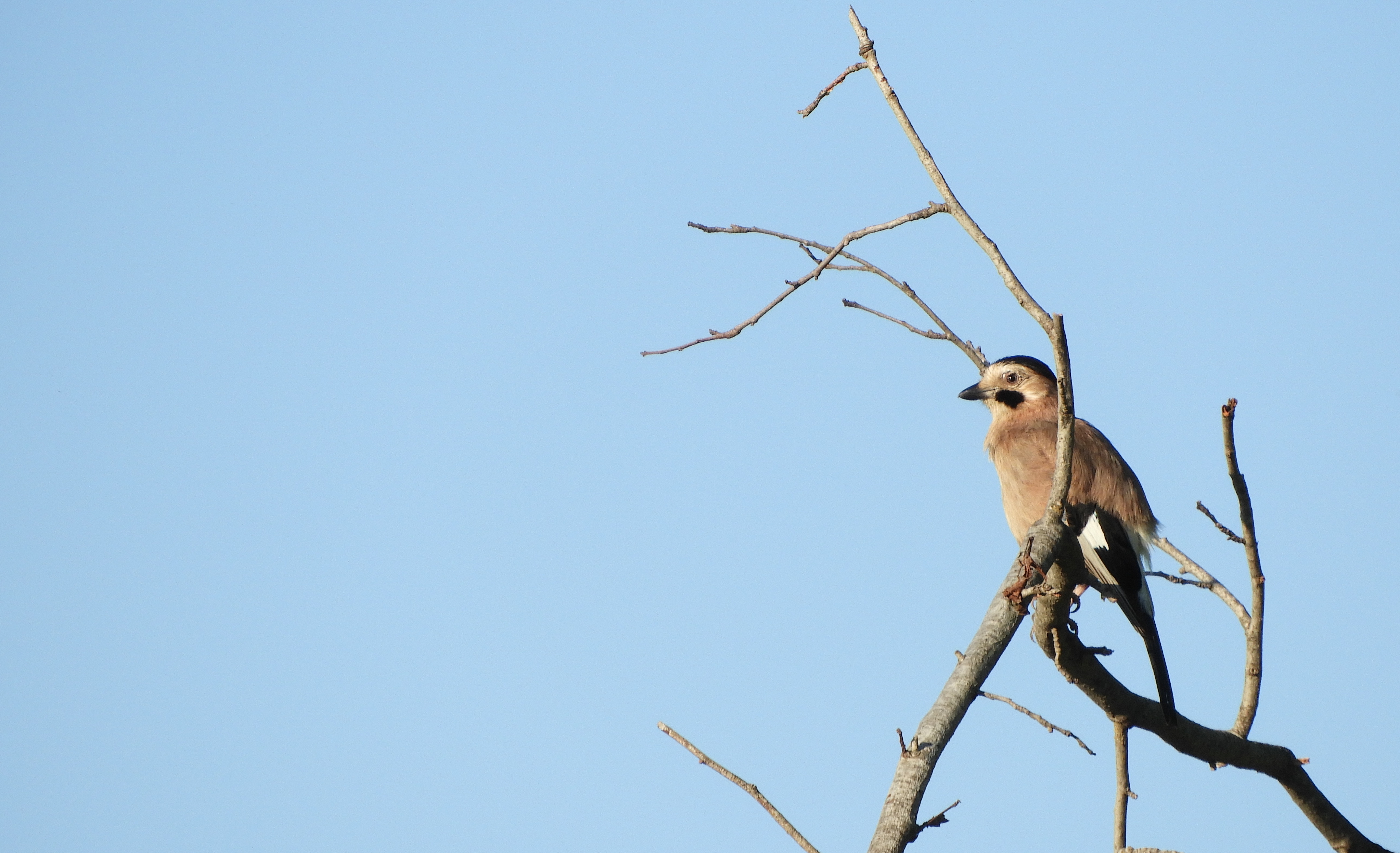
One of the more frequently encountered species was Jay of the form atricapillus, which sports a black cap. Very smart birds. Otherwise, daily staples included Hooded Crows, Collared Doves, Laughing Doves, Greenfinches, Cetti's Warblers, White Wagtails and Yellow-legged Gulls.
Laughing Dove.
I only found these at higher elevations which I found a bit odd, as Serin is a common species at low elevations in every other Mediterranean destination I've been to.
White Wagtail.
We hired a Fiat (pictured) for a trip up into the mountains. I'm not entirely sure what I was expecting but Turkey is a more spectacular and beautiful part of the world than I had imagined.
The species I think I was most keen to see was Krüper’s Nuthatch. I managed to persuade Lu to make a quick diversion to the town of Hisaronu, on our way to Olu Deniz. It only took about five minutes of searching some mature pine woodland to pick up the nasal call. We watched at least two birds feeding restlessly on pine cones, but they were a devil to photograph. Lu was busy rescuing a Tortoise from the road when I took this shot.